
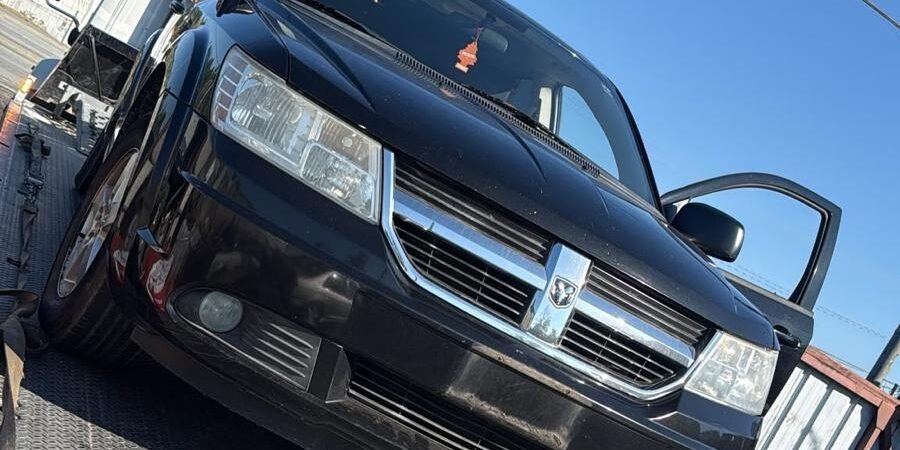
Surrey Accident-Damaged Car Value: A Seller’s Review Before Disposal Call (604) 265-8882 to discuss your vehicle.
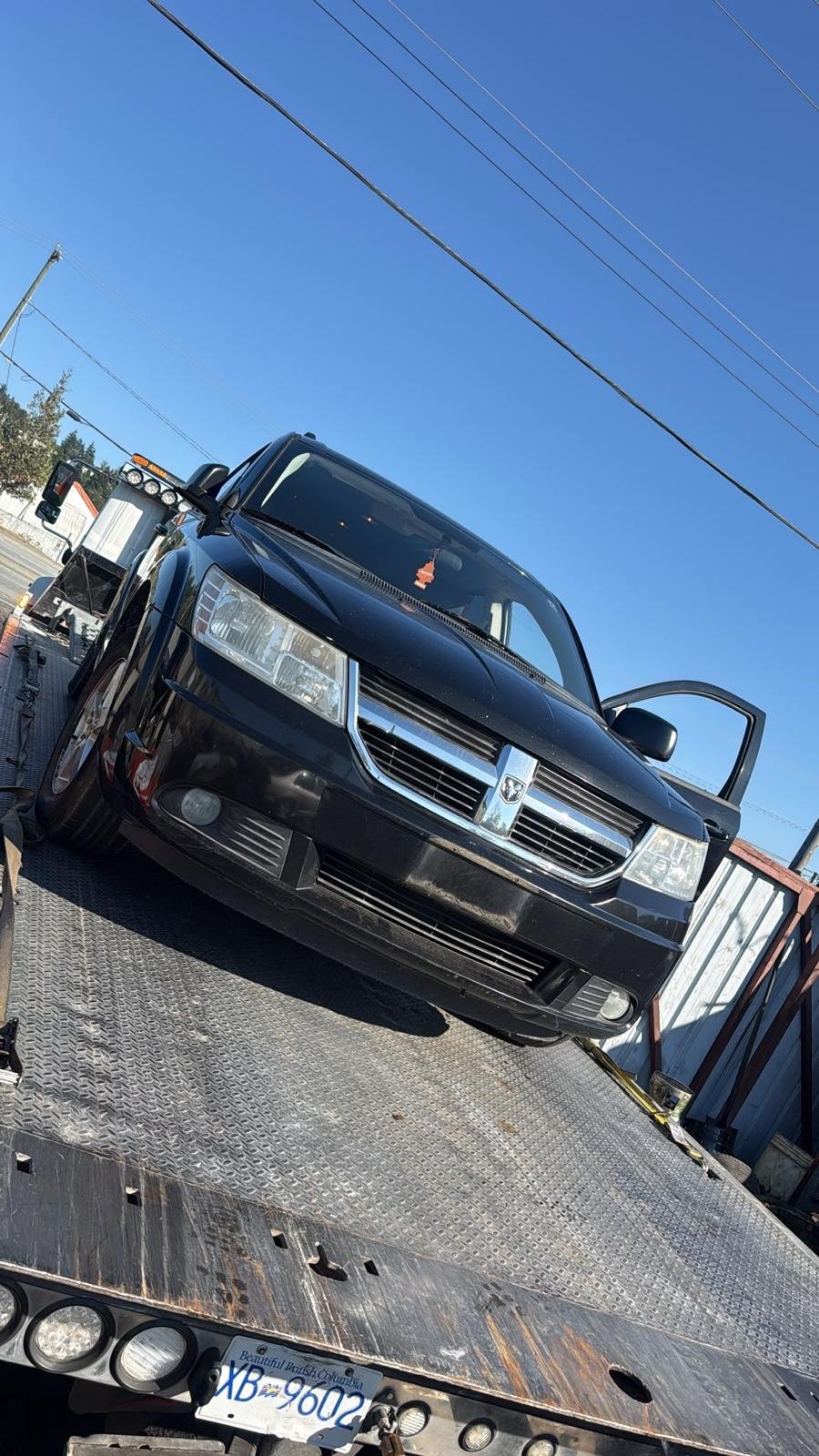
An accident can change a vehicle’s value in several ways at once. The visible damage matters, but so do the vehicle’s status, usable components, condition before the crash, ownership records, and the practical cost of handling a disabled car. For a Surrey owner deciding whether to repair, retain, or arrange disposal, a careful description is more useful than an optimistic guess.
This is a seller-focused framework, not a repair estimate or a promise of a particular offer. A disposal discussion should separate what is known from what still needs inspection. The vehicle may be a total loss for insurance purposes while still having a different scrap or salvage value based on its condition and status.
Start with the vehicle’s official status
ICBC explains that a vehicle that is not economical to repair may be treated as a “total loss,” also called a “write-off.” The corporation says that, in this situation, it pays an amount based on the vehicle’s value at the time of the incident. That insurance valuation is not automatically the same as a disposal value. Keep any claim decision, estimate, or insurer correspondence available so the status can be described accurately.
British Columbia’s ICBC write-off guidance is a useful starting point for understanding the claims side. For registration purposes, the BC Motor Vehicle Act defines an “irreparable vehicle” as one transferred for parts or scrap in the circumstances set out by the Act. It defines a “salvage vehicle” as a vehicle that is unsafe to drive or has been written off by an insurer, subject to the statutory definition.
If a transfer changes a vehicle’s status to irreparable or salvage, the Act requires the transferor and transferee to sign the required notice of transfer and change in status. It also says the transferee must deliver that notice to ICBC with the prescribed fee within 10 days after the transfer. Do not assume that a damaged vehicle’s paperwork is routine: ask which status applies and retain copies of documents exchanged.
Separate repair damage from disposal value
A collision may damage body panels, suspension, steering, wheels, glass, sensors, wiring, airbags, or the structure. Repair pricing can make a vehicle uneconomical to restore, but a disposal review looks at a different set of questions. Is the car complete? Does it have a usable engine, transmission, catalytic converter, wheels, battery, or other components? Are those parts damaged, missing, or inaccessible? Is the vehicle safe to approach and load?
- Record the make, model, model year, body style, drivetrain, and approximate kilometres.
- Describe the impact area and whether airbags deployed, without diagnosing hidden damage.
- State whether the vehicle starts, rolls, steers, or brakes, and identify anything unknown.
- List missing items, removed parts, broken glass, leaking fluids, or a battery that is absent or damaged.
- Explain whether the car is at a driveway, underground parkade, lane, curb, or another restricted location.
These details help a buyer distinguish a complete accident-damaged vehicle from a partly dismantled one. They also reduce the risk of a value conversation being based on an assumption that later changes when the vehicle is inspected.
Use Surrey context when deciding whether to keep the car on site
Surrey’s property-use information gives a specific local definition of a wrecked vehicle. It includes a vehicle wrecked or disabled so it cannot be operated by its own power, parts of a wrecked or disabled vehicle, and a vehicle that appears wrecked but is not displaying a current licence for highway operation. The City says that, after a complaint and inspection, an officer explains what is needed for compliance, which may involve removal or proper storage, and sets a deadline after the owner has been notified.
That does not determine a vehicle’s price, and it does not mean every accident-damaged car will receive a complaint. It does mean that leaving a disabled or visibly wrecked car on a Surrey property can create a separate property-management consideration. Read the City’s Property Use Bylaws information and ask the City if you need an interpretation of your circumstances.
Location also affects the practical side of a disposal decision. A vehicle that rolls into an accessible driveway presents a different handling problem from one with locked wheels, severe front-end damage, or a blocked route in a parkade. Tell the prospective buyer about gates, slopes, low clearance, narrow lanes, elevators, and whether another vehicle must be moved first. Do not move a dangerous vehicle yourself merely to improve its apparent value.
Account for accident-scene and roadway obligations
If the vehicle remains at or is removed from a Surrey highway after a crash, the City’s Street and Traffic Bylaw includes a specific debris rule: every person who removes a wrecked or damaged vehicle from the scene of an accident on a highway must remove all glass and other debris caused by the accident from the highway. The same bylaw also addresses abandoned vehicles and lists a fine for failing to remove accident debris.
This is a local handling obligation, not a statement about what a private buyer will pay. If the crash occurred on a highway, keep the scene clear and follow directions from police, road authorities, or bylaw officers. Do not leave a disabled vehicle or loose debris on a public right-of-way while comparing disposal options. The relevant municipal text is available in Surrey’s Street and Traffic Bylaw No. 13007.
Prepare a factual value file
Before contacting a disposal provider, assemble one concise file. Include the registration and ownership information you are entitled to share, the insurer’s claim or write-off information if applicable, the incident date and general location, and clear photos of all sides and the interior. Photos should show damage without concealing warning lights, missing components, or fluid leaks. If the vehicle has already been assessed, keep the assessment separate from your own observations.
Also note the pre-accident condition: regular maintenance, known mechanical faults, prior body damage, rust, tyre condition, and whether major components were working. A vehicle with a documented service history may be easier to evaluate than one whose condition is unknown, but documentation is not a guarantee of higher value. Be precise about what you can verify.
Do not remove airbags, catalytic equipment, batteries, wheels, or other components solely to chase a higher return unless you understand the safety, legal, and practical consequences. Removing parts can change the vehicle’s completeness and may create new hazards. Ask how the vehicle’s status and missing parts would be treated before making changes.
Make the disposal decision without a price promise
A sensible comparison is between the vehicle’s current condition and the costs and risks of keeping it: storage space, additional damage from exposure, insurance or registration questions, access, and the time needed to arrange a repair or disposal path. Compare any repair estimate with the vehicle’s condition, official status, and likely handling requirements. A seller should receive a clear explanation of what is being evaluated rather than a guaranteed dollar result.
For a Surrey accident-damaged vehicle, Ready To Go Scrap Car Removal can be contacted for a factual conversation about the car’s condition and location. Have the status, completeness, access, and ownership information ready, and ask what information is needed to assess the vehicle. Call (604) 265-8882. We do not sell used parts.